
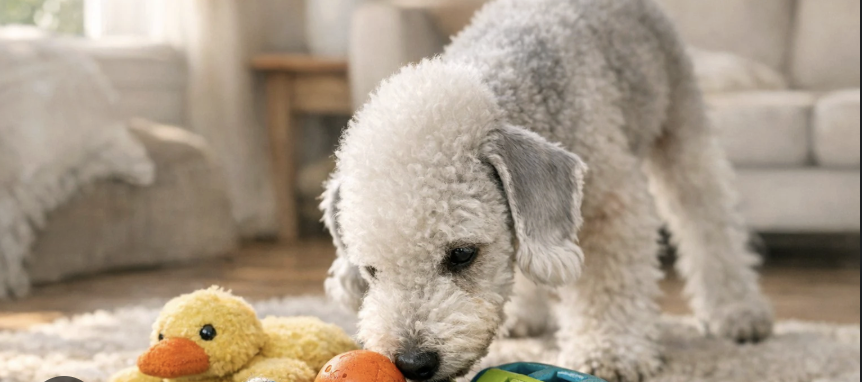
Does your dog chew through your furniture the moment you leave the house? Bark at shadows? Follow you to the bathroom? Chances are, your pup isn’t bad — they’re just bored.
Interactive dog toys are one of the most effective tools to keep dogs mentally stimulated, reduce destructive behaviour, and build a stronger bond between you and your pet.
Why Mental Stimulation Matters as Much as Physical Exercise
Most dog owners know their pet needs walks. What fewer realise is that a 15-minute mental workout can tire a dog out just as effectively as a 45-minute run. This is especially true for high-energy and working breeds like Border Collies, Huskies, and Labradors — dogs that were bred to solve problems all day, not lie on a sofa.
When a dog’s brain is understimulated, it looks for outlets — your sofa, your shoes, your sanity. Destructive behaviour is almost always a symptom of boredom, not bad temperament. Interactive dog toys give that mental energy somewhere productive to go.
Types of Interactive Dog Toys
Puzzle feeders turn mealtime into a game. Instead of eating from a bowl in 30 seconds, your dog has to slide, flip, or paw at compartments to access their food. This slows eating, prevents bloating — a serious health risk in large breeds — and keeps clever dogs genuinely busy. A good puzzle feeder can extend mealtime from 30 seconds to 10 minutes.
Treat-dispensing balls combine physical play with problem-solving. Dogs roll and nudge the ball to release kibble or treats — perfect for solo entertainment when you’re busy or out of the house. The unpredictability of when the treat comes out keeps dogs engaged far longer than a standard toy.
Smart automatic toys move on their own, activating your dog’s prey drive without requiring you to throw anything. They change direction unpredictably, mimicking the movement of small animals and triggering the chase instinct. Ideal for small apartments or for evenings when you need your dog to burn energy before bed.
Rope and tug toys offer a different kind of mental engagement — they require your dog to strategise during play, pulling and releasing at the right moments. Great for bonding and for dogs that love interactive play with their owners.
How to Choose the Right Interactive Toy
Consider size first — a toy designed for a Chihuahua is a choking hazard for a Labrador. Always check the recommended breed or weight range before buying. Consider chew strength — aggressive chewers need thick rubber, not plush fabric that will be destroyed in minutes. Consider age — puppies need gentler stimulation and softer materials, while senior dogs with joint issues benefit from low-impact puzzle games over high-energy chase toys.
Also consider your lifestyle. If your dog is alone for several hours a day, a treat-dispensing toy or puzzle feeder gives them something to do independently. If you want to play together, a smart rolling ball or tug toy is more suitable.
Rotate Toys to Keep Things Fresh
One underrated tip: toy rotation. Instead of leaving all toys out at once, put most of them in a box and swap them every few days. Dogs treat returning toys like new ones — it’s a completely free way to keep excitement levels high without buying more.
Start simple, then level up. If your dog has never used a puzzle toy before, don’t start with the hardest difficulty. Let them succeed easily at first to build confidence and enthusiasm, then gradually introduce more complex challenges.
According to the American Kennel Club, mental enrichment is one of the most important and overlooked aspects of dog care — and interactive toys are one of the easiest ways to provide it daily.
For more help picking the right toy, read our guide on dog toys by age and size.
Browse our full range of interactive dog toys at The Good Pup and find the right match for your pup’s personality and energy level.