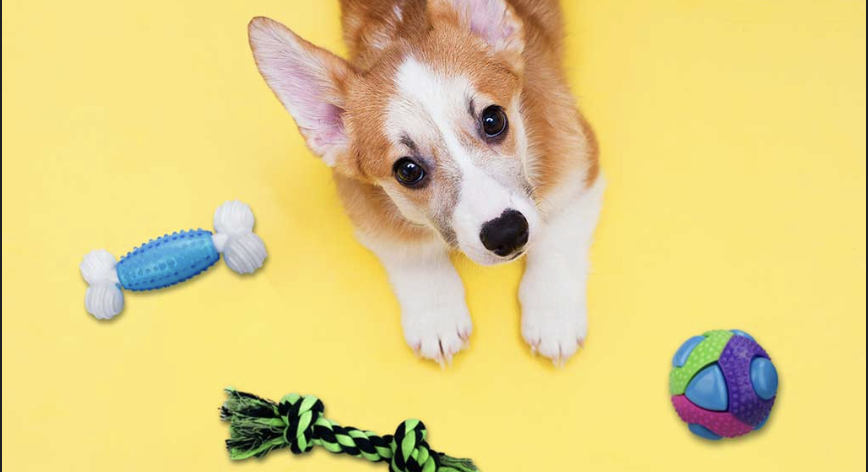
When it comes to dog chew toys and squeaky toys, most owners grab whatever looks cute — only to find their dog ignores it within 24 hours. Squeaky plush animals, rubber chews, rope tugs, crinkle toys — the options are overwhelming. The truth is, different toys serve different needs. Understanding why your dog plays the way they do makes it much easier to pick something they’ll actually use.
Why Dogs Love Squeaky Toys
The squeak in a toy mimics the sound of a small animal in distress. It triggers a dog’s prey drive — the same instinct that makes them chase squirrels or perk up at rustling sounds. For many dogs, the squeak is the reward itself. The moment they make it sound, they get a little hit of satisfaction.
Squeaky toys are best for playful, social dogs during supervised play sessions. They encourage movement and are one of the most interactive options for bonding with your dog. Short-form play with a squeaky toy — fetch, tug, chase — is also one of the fastest ways to tire a high-energy dog out before bedtime.
Watch out for dogs that immediately try to remove the squeaker. Once that plastic piece is loose, it becomes a choking hazard. Always supervise squeaky toy play with determined chewers.
Why Chew Toys Are Essential for Health
Chewing is not a behavioural problem — it’s a biological need. Dogs chew to relieve stress, clean their teeth, exercise their jaw muscles, and explore their environment. Without appropriate dog chew toys available, they find their own options — usually your furniture, shoes, or cables.
Rubber chew toys are particularly effective because they’re durable, gentle on teeth, and can be filled with treats to extend engagement time. A treat-stuffed rubber chew can keep a dog occupied for 20–30 minutes — enough time for you to finish a meeting or cook dinner without interruption.
Dog chew toys are best for puppies during teething, anxious dogs, or any dog left alone during the day. They also actively support dental hygiene — the textured surface scrapes plaque and tartar off teeth naturally with every chew session.
How to Match the Toy to Your Dog’s Personality
Not every dog responds the same way to the same toy. Before buying, think about how your dog typically plays. Is he a shaker — grabbing things and whipping them side to side? A plush squeaky toy is perfect. Is he a gnawer who settles in and chews steadily for long periods? A rubber chew is what he needs. Does he lose interest in toys quickly? A treat-dispensing chew ball that releases food rewards will keep him engaged far longer than a standard toy.
Matching the toy type to your dog’s natural play style means less money wasted on things that get ignored and more satisfaction for both of you.
What to Avoid
With squeaky toys, avoid anything with loosely attached parts, thin fabric, or plastic eyes that can be chewed off. With dog chew toys, avoid anything too hard — if you can’t press your thumbnail into the material, it’s too hard for your dog’s teeth and can cause fractures. Real bones, hard nylon toys, and antlers all carry this risk.
Which Should You Choose?
Most dogs benefit from having at least one of each. A squeaky toy for active play sessions together, and a rubber chew toy available throughout the day for independent entertainment. Together they cover the full range of your dog’s play and chewing needs — mental stimulation, physical activity, stress relief, and dental health.
According to the American Kennel Club, rotating toys regularly also helps maintain your dog’s interest — swap them every few days to keep things feeling new.
For more toy recommendations, read our guide on interactive dog toys.
Shop both types at The Good Pup — because a well-played dog is a well-behaved dog.