Choosing the right dog toys for puppies sounds simple until you realise there are a hundred variables. Too small and it’s a choking hazard. Too hard and it can crack a tooth. Too complex and a young puppy gets frustrated and gives up. Too easy and a smart adult dog is bored in five minutes.
The right toy depends on your dog’s age, size, and personality. Here’s how to think about it.
Dog Toys for Puppies (Under 1 Year)
Puppies are learning about their world through their mouths, and they’re going through teething — which means their gums are tender and they need to chew almost constantly.
Look for soft rubber or gentle plush options that don’t require excessive jaw strength. Avoid hard nylon and very small items that could be swallowed. Simple puzzle feeders with easy difficulty levels help build confidence early.
Toys for Small Breeds (Under 10kg)
Small breeds like Chihuahuas, Yorkshire Terriers, and Pugs have smaller jaws and different energy levels than large breeds. Always check that any toy is explicitly sized for small dogs — larger options are physically impossible for them to engage with and can become choking hazards if broken into pieces.
Toys for Medium Breeds (10–25kg)
Medium breeds like Beagles, Border Collies, and French Bulldogs tend to be active and intelligent. They need options that combine physical and mental engagement — multi-layer puzzle feeders, treat-dispensing balls, and automatic rolling designs all work well.
Toys for Large Breeds (25kg+)
Large breeds like Labradors, German Shepherds, and Golden Retrievers need something that can withstand serious force. Standard plush options are destroyed in minutes. Look for thick bite-resistant rubber chews and heavy-gauge rope designs.
A Simple Rule of Thumb
If it fits entirely in your dog’s mouth, it’s too small. If your dog can’t pick it up comfortably, it’s too big. The ideal pick sits somewhere in between.
Update your collection every few months as your dog grows — what works at 3 months won’t necessarily work at 1 year.
Dog Toys for Puppies — Choosing Based on Play Style
Beyond size and age, your dog’s play style matters just as much. According to the American Kennel Club, puppies benefit greatly from items that support their natural chewing instincts.
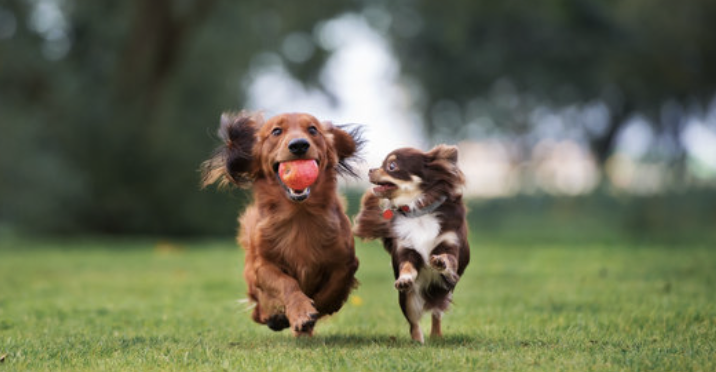
Some dogs are chasers — they love balls and anything that moves. Others are shakers — they grab a plush and whip it from side to side. Some are chewers who need something tough to gnaw on for hours, while others are problem-solvers who respond best to puzzle feeders and treat-dispensing designs.
Watching your dog play for even five minutes tells you everything. Does he immediately grab and carry? Get a plush. Does he nose things around the floor? Get a treat ball. Does he destroy everything in under a minute? Get the toughest rubber chew you can find.
When to Replace a Toy
No toy lasts forever. Replace immediately if it has loose parts that could be swallowed, if the squeaker is exposed, if chunks are missing from a rubber item, or if a rope is fraying badly enough to ingest. Inspect your dog’s collection once a week — it takes 30 seconds and prevents a costly vet visit.
Our Dog Toys for Puppies Recommendation
If you’re buying your dog’s first toy, start with one plush squeaky option and one rubber chew. That covers both play and solo chewing needs. Once you know what your dog responds to, add a puzzle feeder for mental stimulation.
Browse our full range of dog toys for puppies and adult dogs at The Good Pup — every product includes a size guide and safety notes so you can buy with confidence.
For more help, read our guide on interactive dog toys.